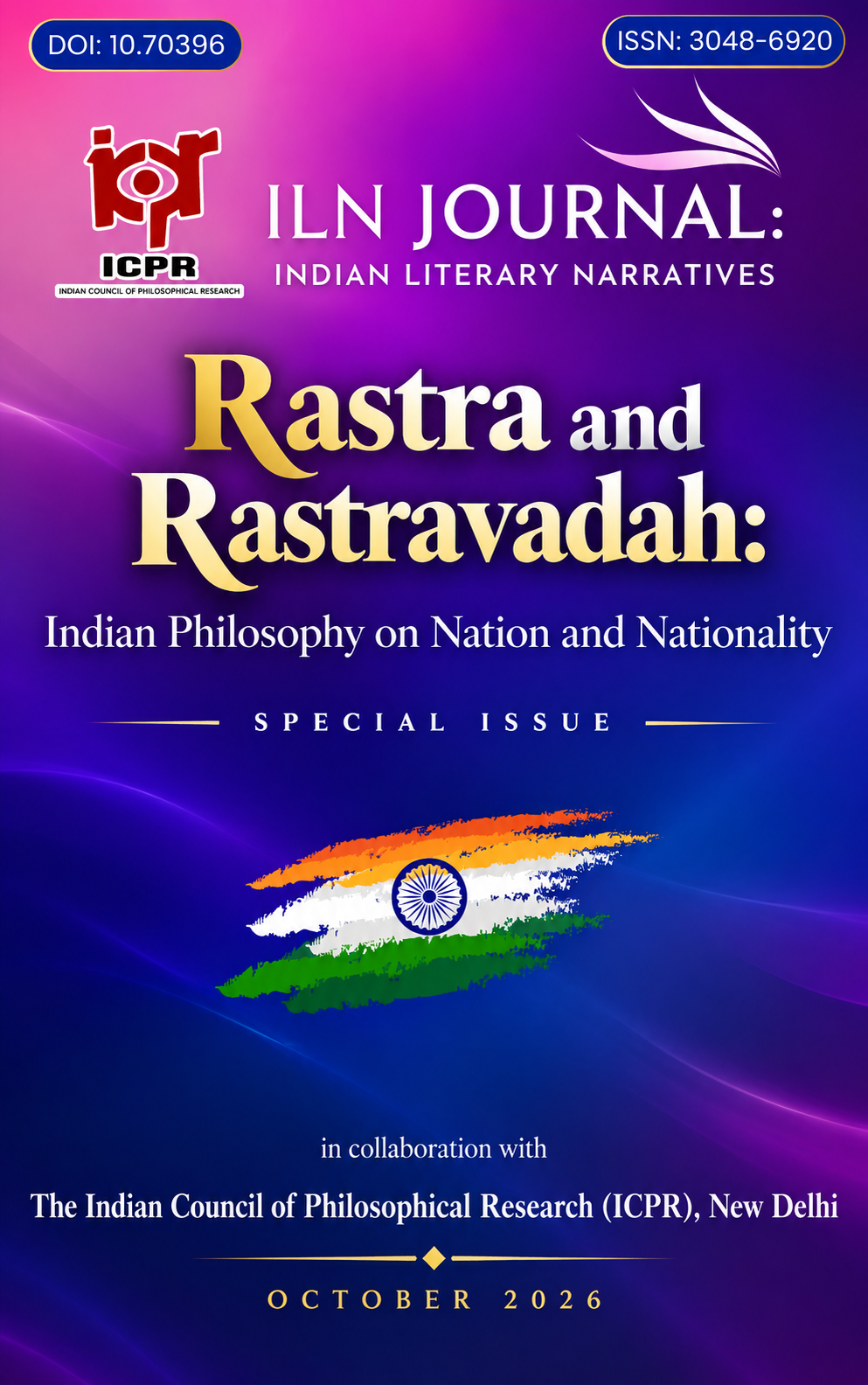
Rastra and Rastravadah: Indian Philosophy on Nation and Nationality
In collaboration with The Indian Council of Philosophical Research (ICPR)
ISSN: 3048-6920 | DOI Prefix: 10.70396
Publication Date: 02.10.2026, on Gandhi Jayanti
Click: Volume 3 Special Issue 2
About the Special Issue
Indian philosophical traditions have deeply influenced India’s culture, values, education, and way of thinking for centuries. Different schools of Indian thought, spiritual traditions, and belief systems offer important ideas about identity, social duty, cultural diversity, and the relationship between the individual and society. Even today, in a world shaped by rapid social change, globalisation, and new political and cultural challenges, these traditions remain meaningful. They help us think about nationhood, identity, beauty, ethics, and human values. This special issue aims to encourage scholarly discussion, support the exchange of ideas, and deepen understanding of India’s philosophical heritage and its role in building an informed, inclusive, and value-based society.
The ideas of Rastra (nation) and Rastravadah (nationalism) open up important questions about the historical, cultural, ethical, and intellectual foundations of Indian nationhood. Drawing on classical Indian philosophy, literature, religious and spiritual traditions, and modern ideas of national identity, this special issue examines how concepts such as unity, diversity, belonging, selfhood, and collective identity have shaped the idea of India as a nation. It also encourages discussion on the relationship between nationalism and universalism, tradition and modernity, regional identity and national unity, and indigenous knowledge systems and contemporary political thought.
The special issue welcomes original research articles, critical essays, and interdisciplinary studies that explore the philosophical meaning of nation and nationality in the Indian context. Contributors may work with classical texts, modern philosophical debates, literature, political thought, cultural studies, aesthetics, education, and social ethics. By bringing together diverse academic perspectives, this issue aims to deepen discussions of Indian nationhood and nationalism. It also aims to promote meaningful dialogue on pluralism, civil rights, social justice, and the possibility of building a broad national consciousness.
Guest Editors

Mrs R. Anto Sindhuja
Guest Editor-in-Chief
Research Supervisor
Assistant Professor of English
St. John's College, Palayamkottai
Tamil Nadu, India
Institutional Profile
[email protected]
_________________________

Dr Moovendhan Muthiah
Head & Associate Professor of English
Ayya Nadar Janaki Ammal College
Sivakasi, Tamil Nadu, India
Institutional Profile
[email protected]
_________________________
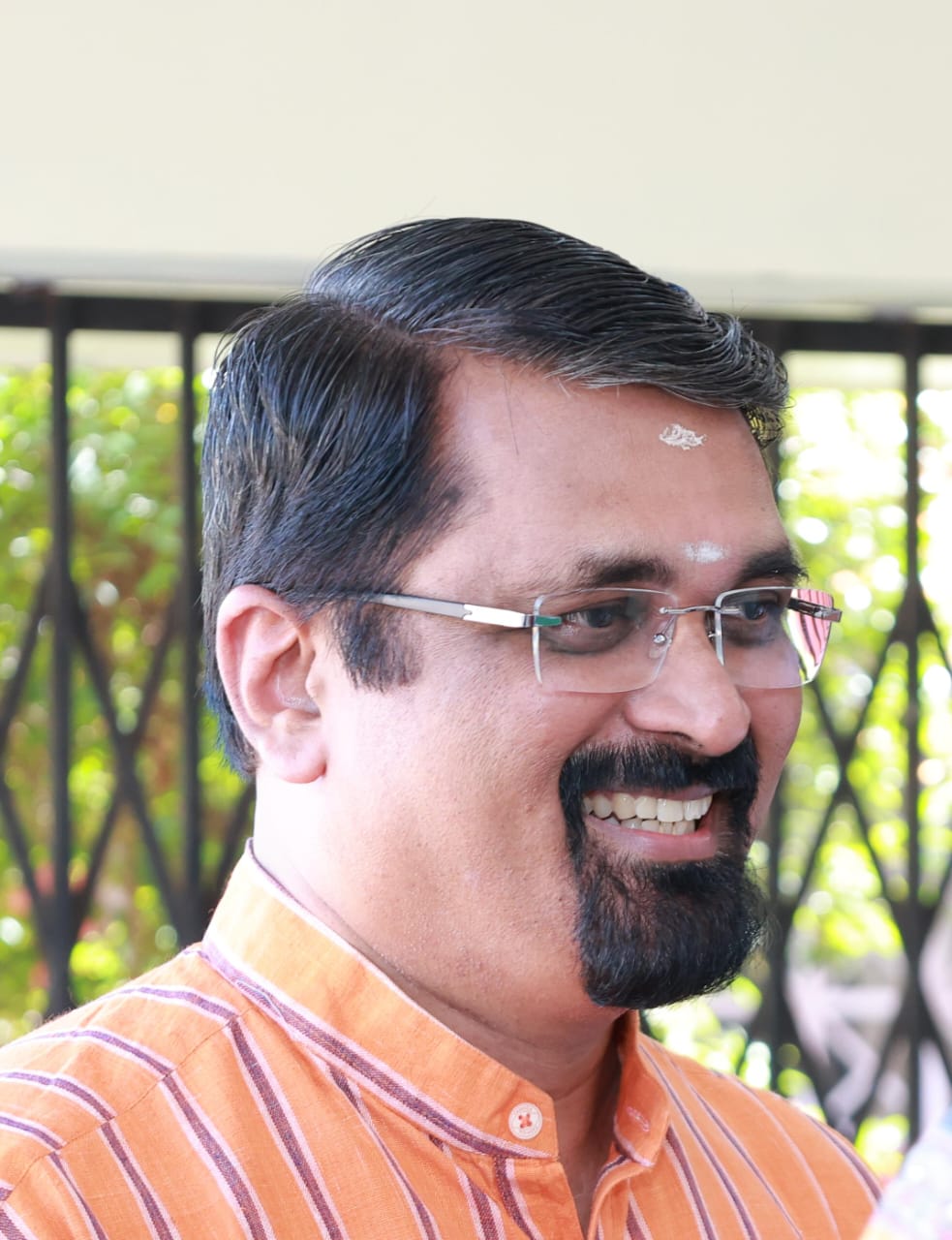
Dr Muralikrishnan TR
Professor of English,
Sree Sankaracharya University of Sanskrit
Kerala, India
Institutional Profile
[email protected]
_________________________

Dr Subbu Lakshmi M
Assistant Professor of English
Vellore Institute of Technology - VIT
Chennai - 627011
Tamilnadu, India
Institutional Profile
[email protected]
_________________________

Dr U. Kethrapal
Research Supervisor
Assistant Professor of English
St. John's College, Palayamkottai
Tirunelveli - 627002
Tamil Nadu, South India
Institutional Profile
[email protected]
Click: Volume 3 Special Issue 2